
The Graduate Conference on Southeast Asia, organized by the Social Sciences University of Ankara (ASBÜ) ASEAN Research and Application Center, has made its mark as the first congress of its kind to be held in Türkiye. The conference, which drew significant interest and participation from young researchers interested in Southeast Asian nations, was conducted over two days in a hybrid (face-to-face and online) format.
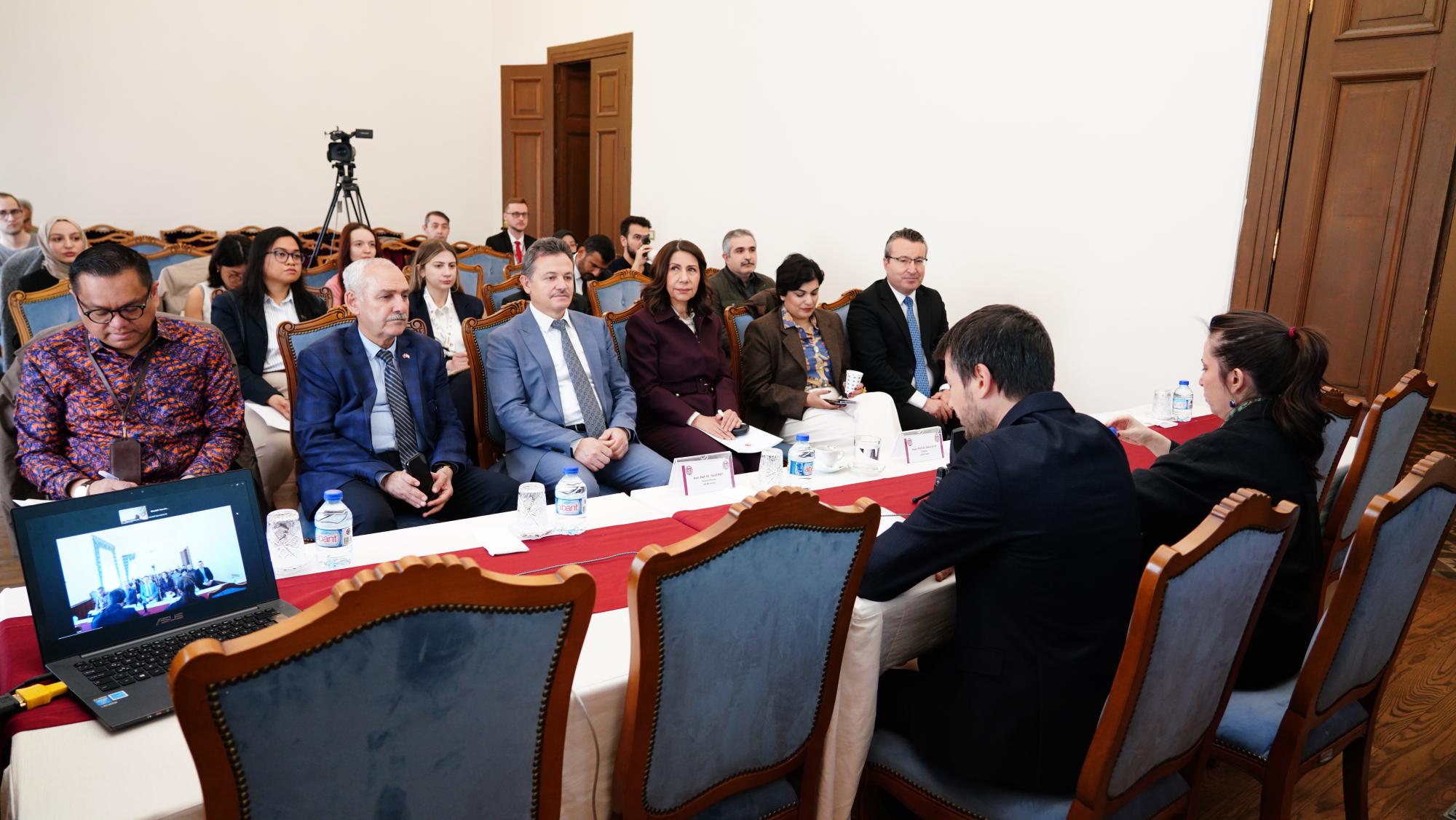
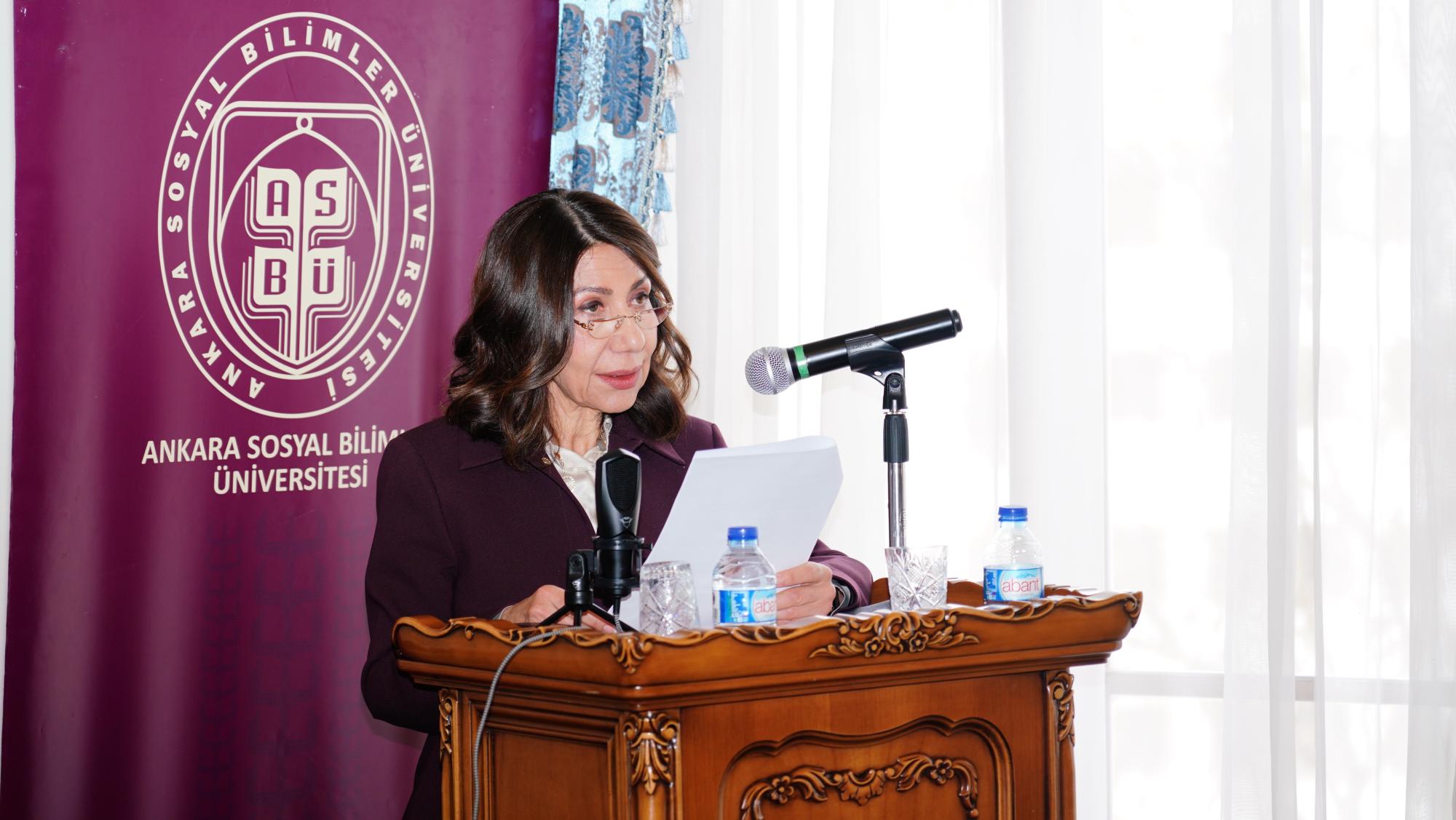
The opening remarks were delivered by the Director of the ASEAN Center, Assoc. Prof. Hatice Çelik, and Deputy Director Dr. Yusuf Avcı. Subsequently, the conference was honored by the keynote speeches of Ambassador Serap Ersoy, Director General for Multilateral Asian Affairs at the Ministry of Foreign Affairs of the Republic of Türkiye and member of the ASEAN Center Advisory Board, and Prof. Yasin Söyler, Vice Rector of ASBÜ.
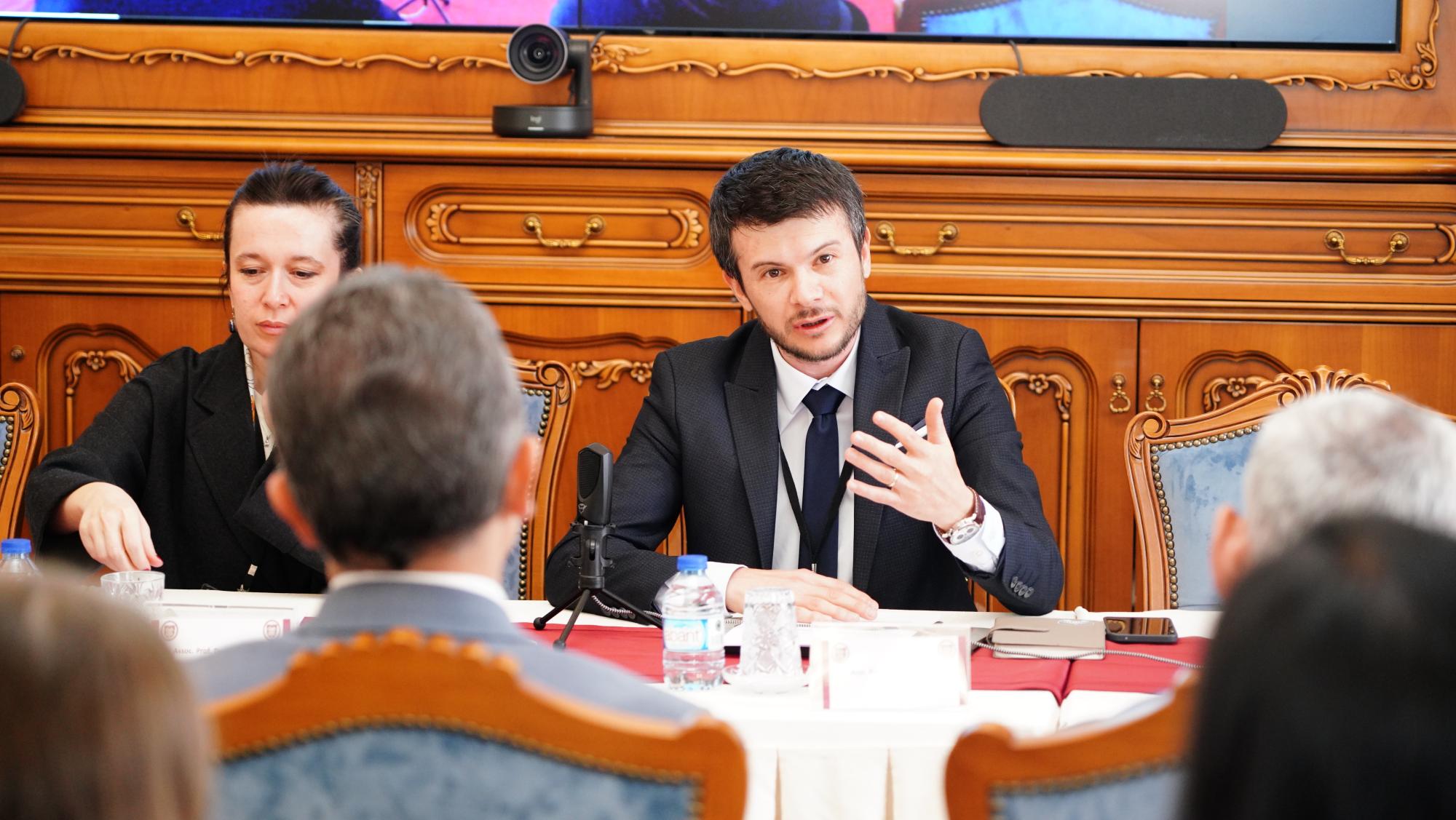
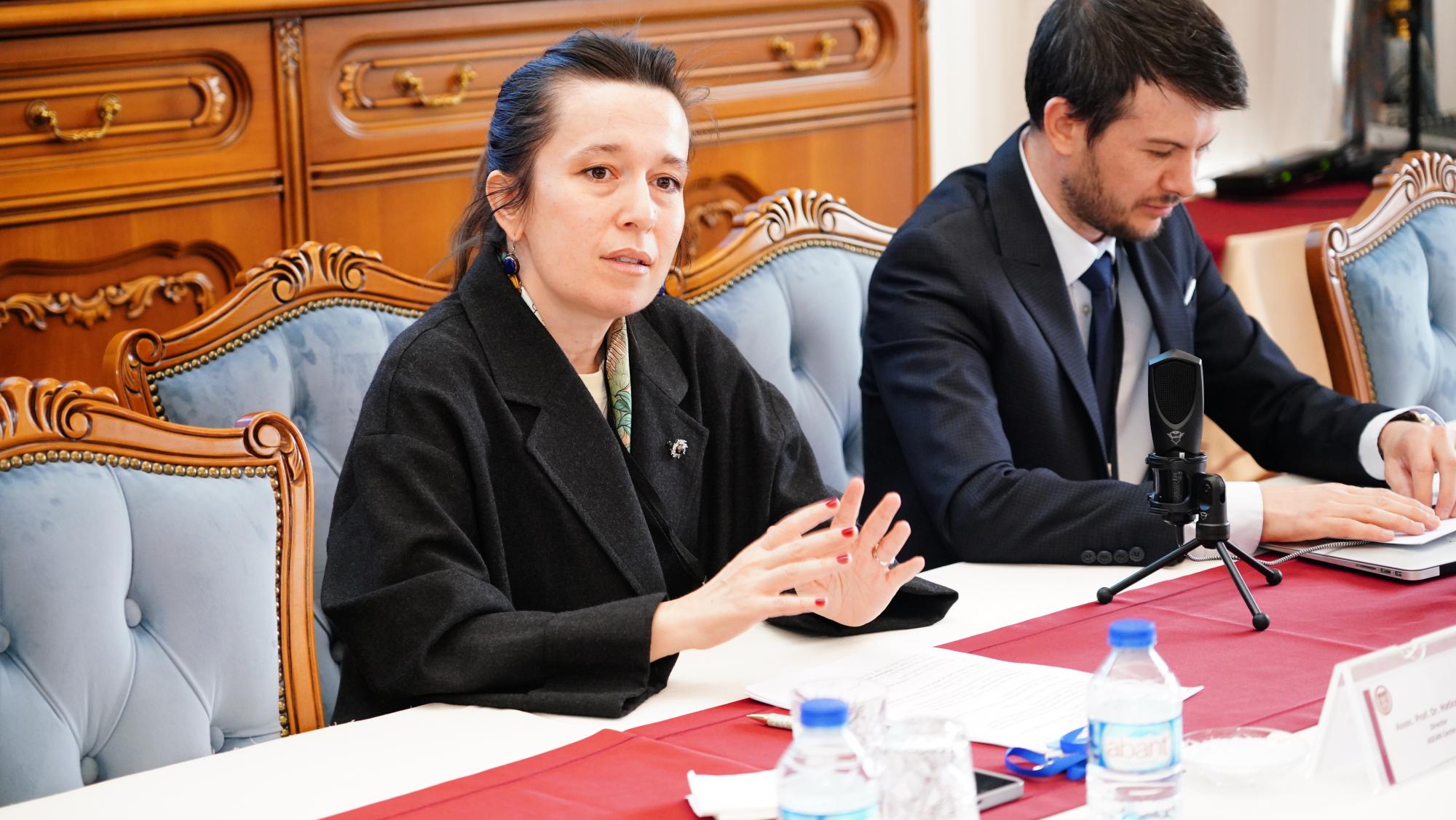
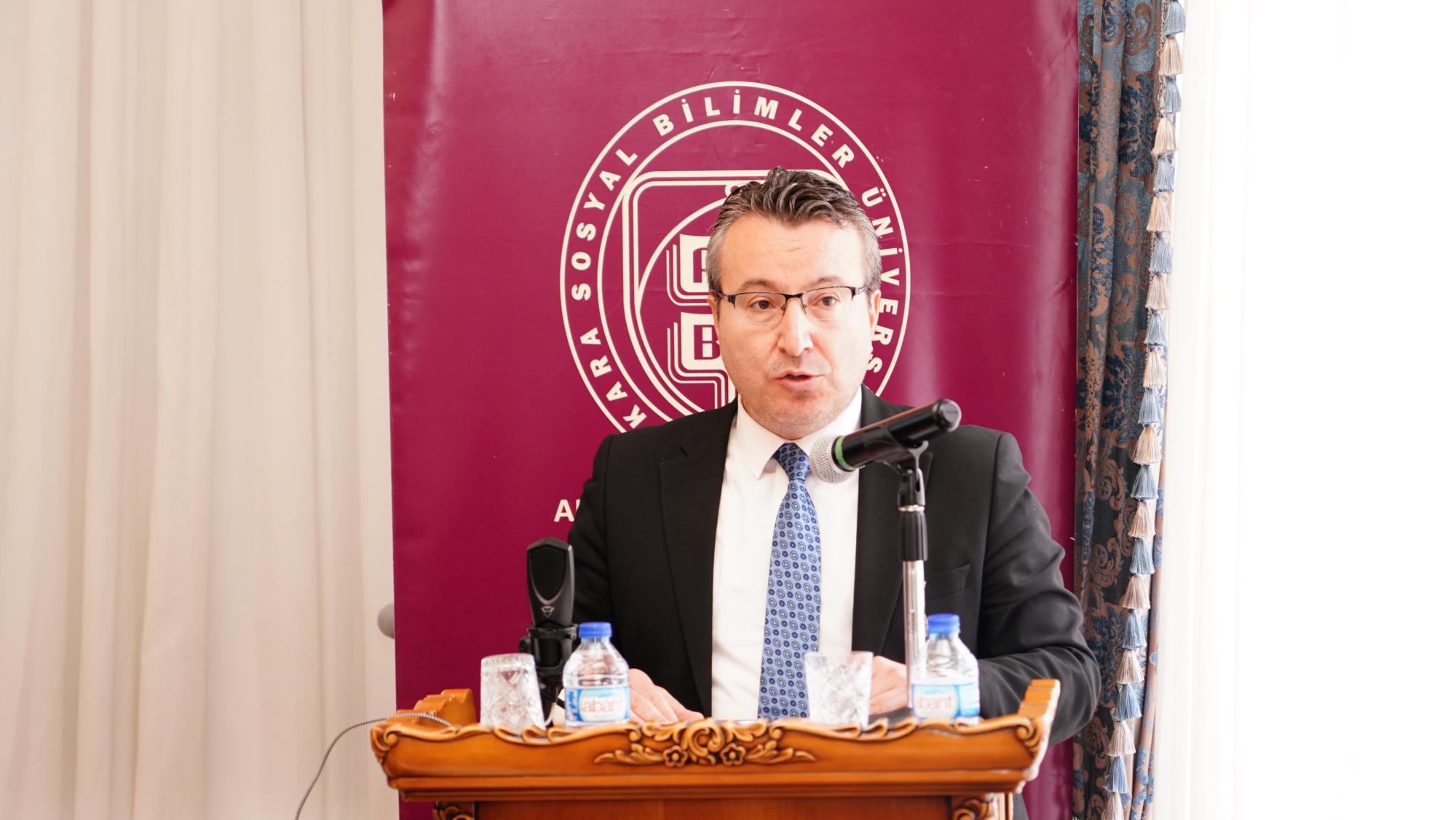
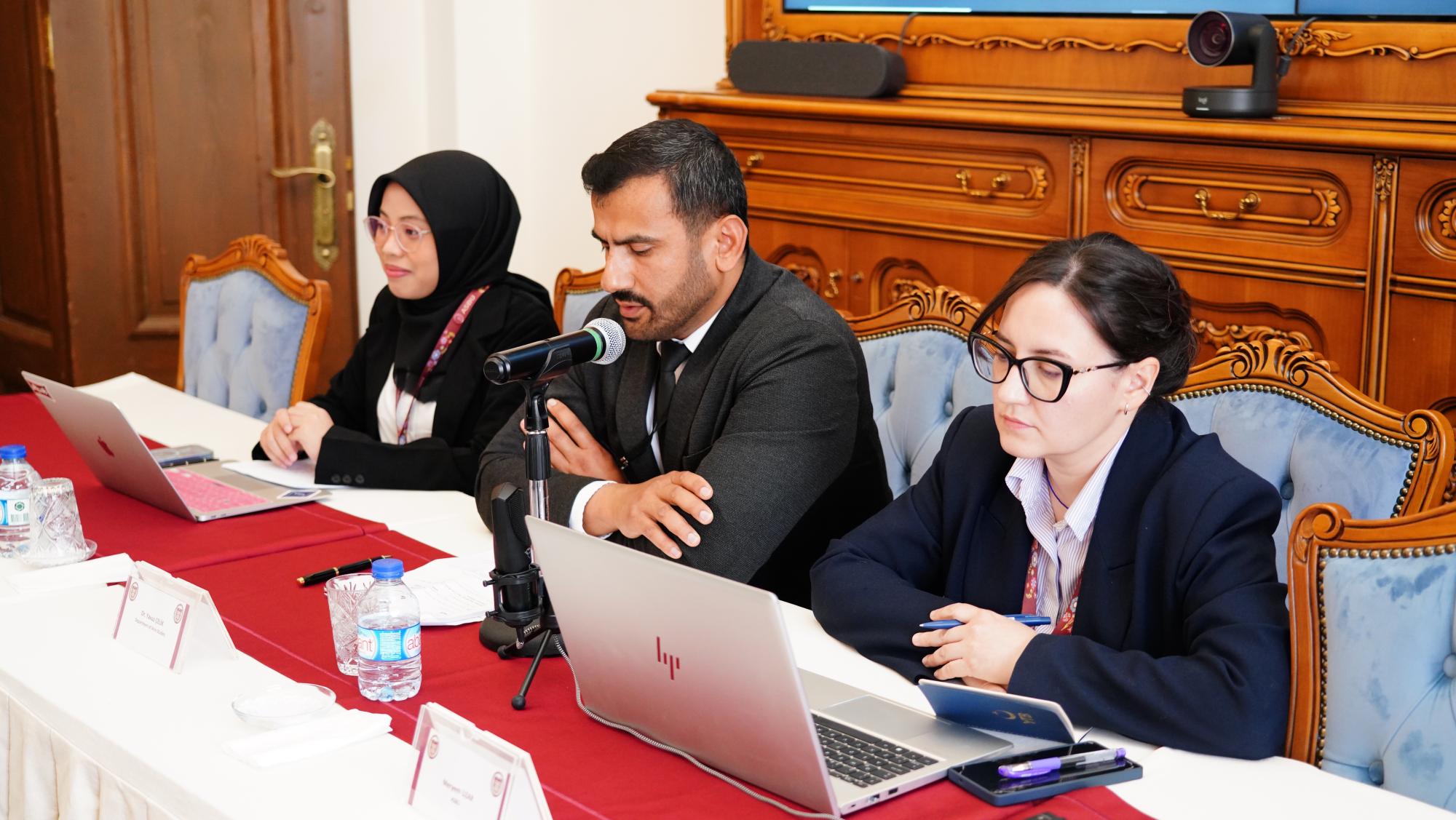
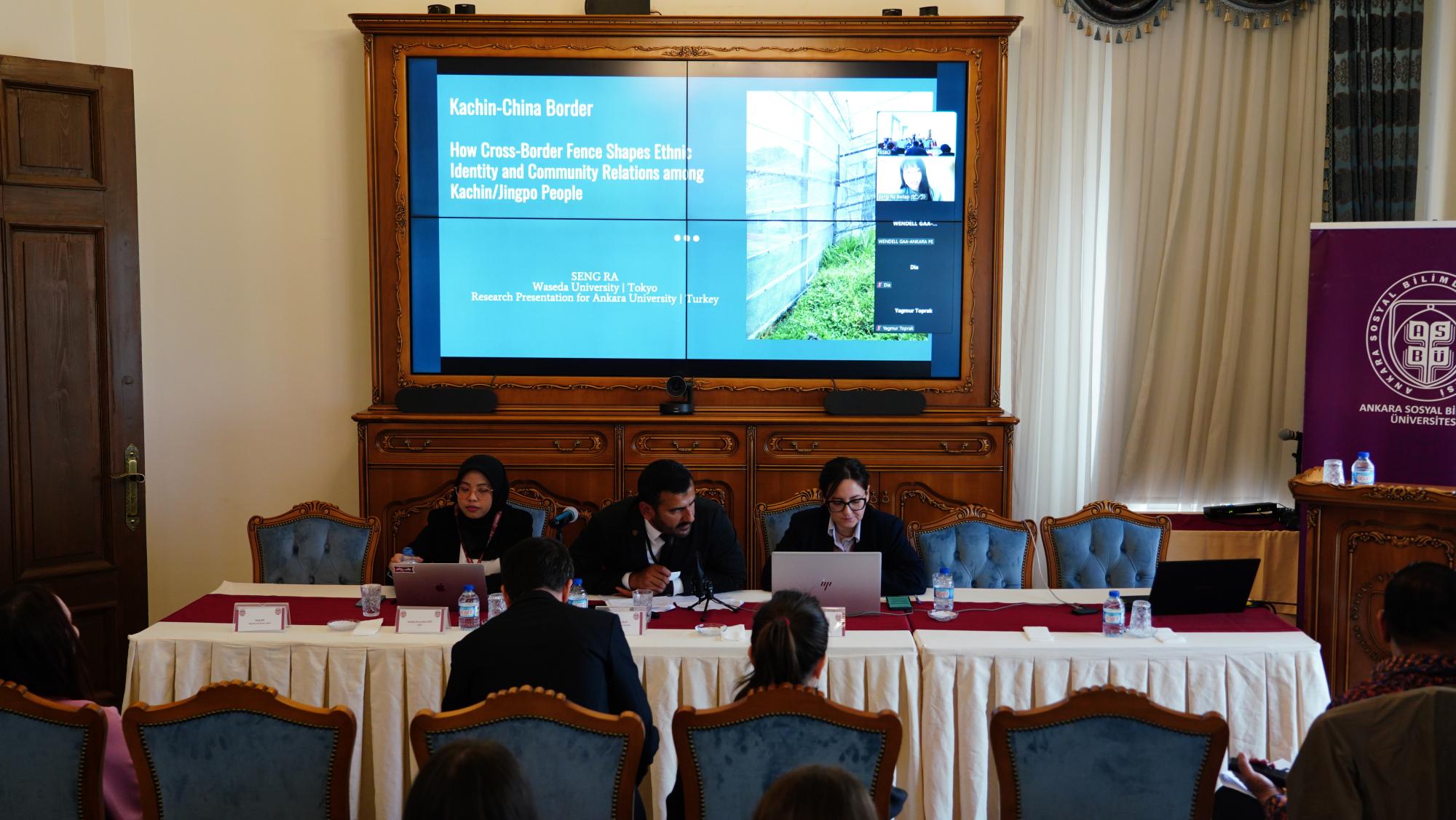
Four sessions took place on the first day. Session A was moderated by Dr Yavuz Çelik, a lecturer in Asian Studies, and focused on the themes of Security, Geopolitics and Identity. The session began with a presentation by ASBÜ student Estalia Rona Ratu Roy, entitled “Between Disinformation and Diplomacy: How Cyber Operations Shape Foreign Policy in the South China Sea Dispute”. Immediately following this, ASBÜ student Meryem Uzar delivered her presentation titled “The Malay Nationalist Movement and Identity Before Independence: ‘Continuities and a Multitude of Contestations’ Rather Than ‘The Sudden Emergence of a United and Uniform Polity’?”. The final student of the session was Seng Ra from Waseda University, who presented her research titled “Kachin-China Border: How Cross-Border Trade Shapes Ethnic Identity and Community Relations among Kachin/Jingpo People” online.
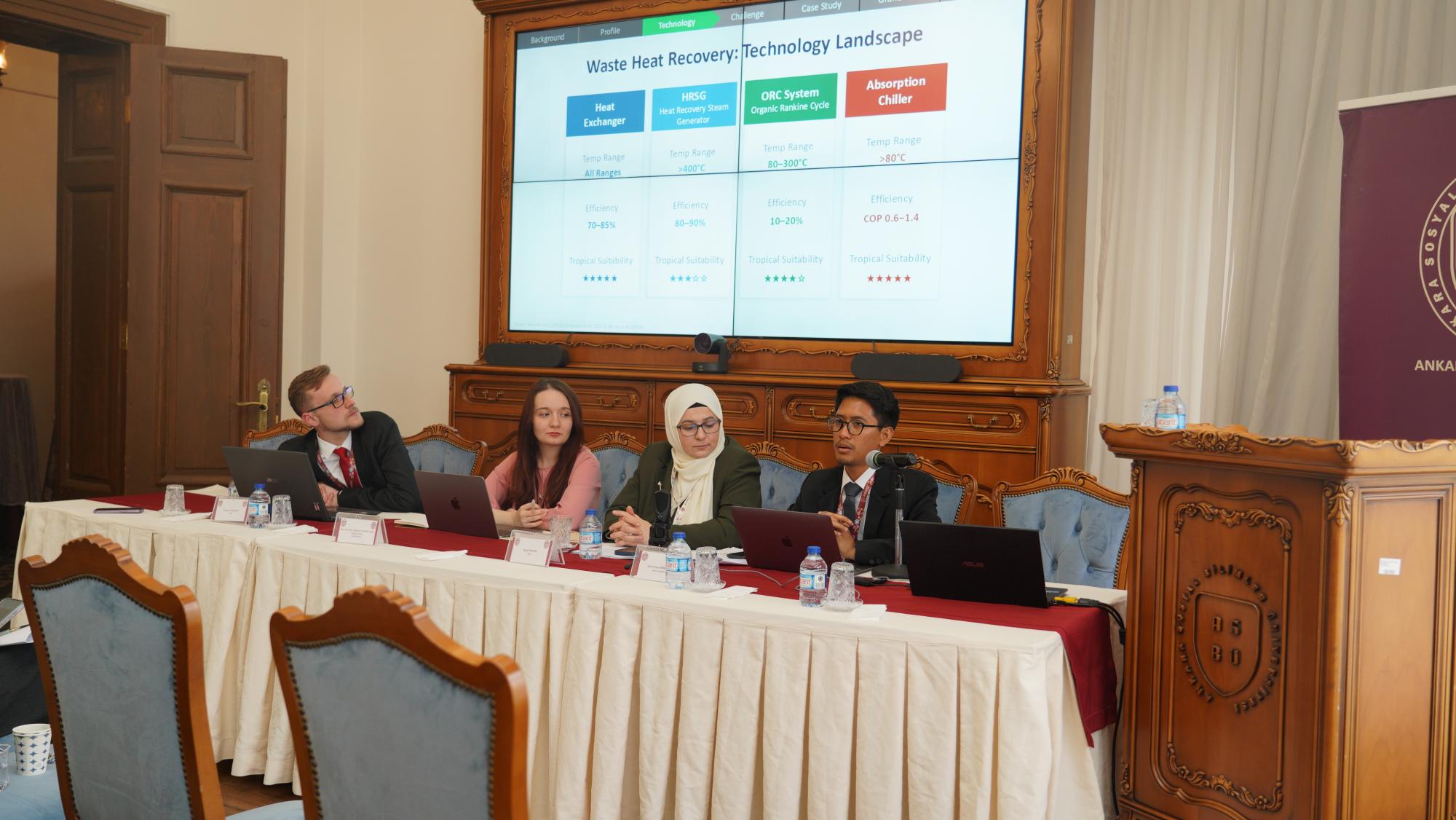
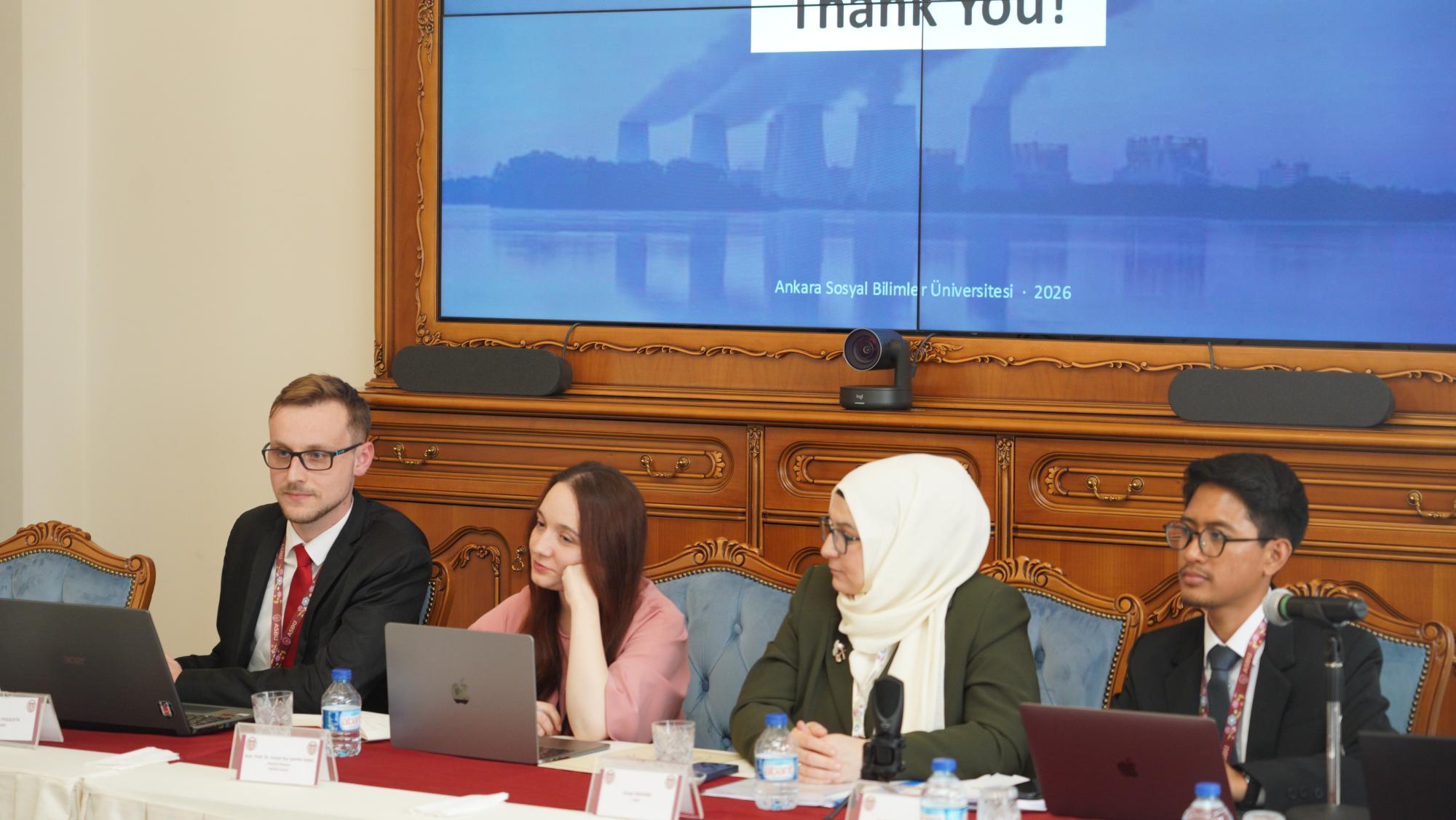
Session B was moderated by Dr Vuslat Nur Şahin Temel, a lecturer in Asian Studies. In this session, students presented their work under the headings of Governance, Development and Diplomacy. The first speaker of the session was ASBÜ student Gustavo Pasqueta, who spoke on the topic of "Portuguese in Jakarta: Evaluating the Indonesia–Brazil Rapprochement under Prabowo Subianto's Strategic Autonomy". Another speaker was ASBÜ student Sevgi Hajdari. She presented her research on "Turkey–Malaysia Relations from the Perspective of New Regionalism: Cooperation in the Defence Industry and Education". Finally, Gazi University student Daris Fajar Ramadan discussed his research on "Enhancing Industrial Energy Efficiency through Waste Heat Recovery Systems in Tropical Regions: A Literature Review".
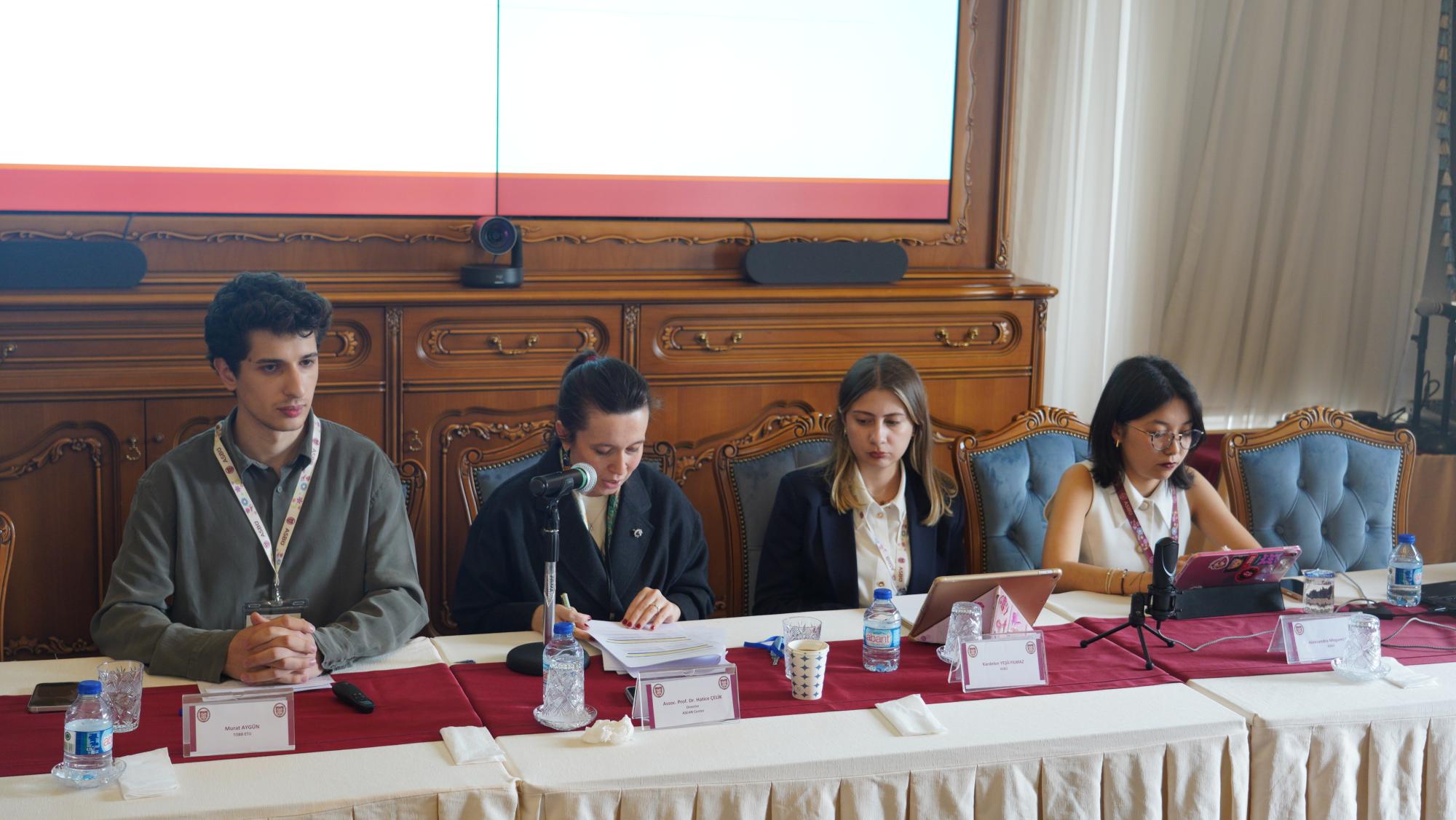
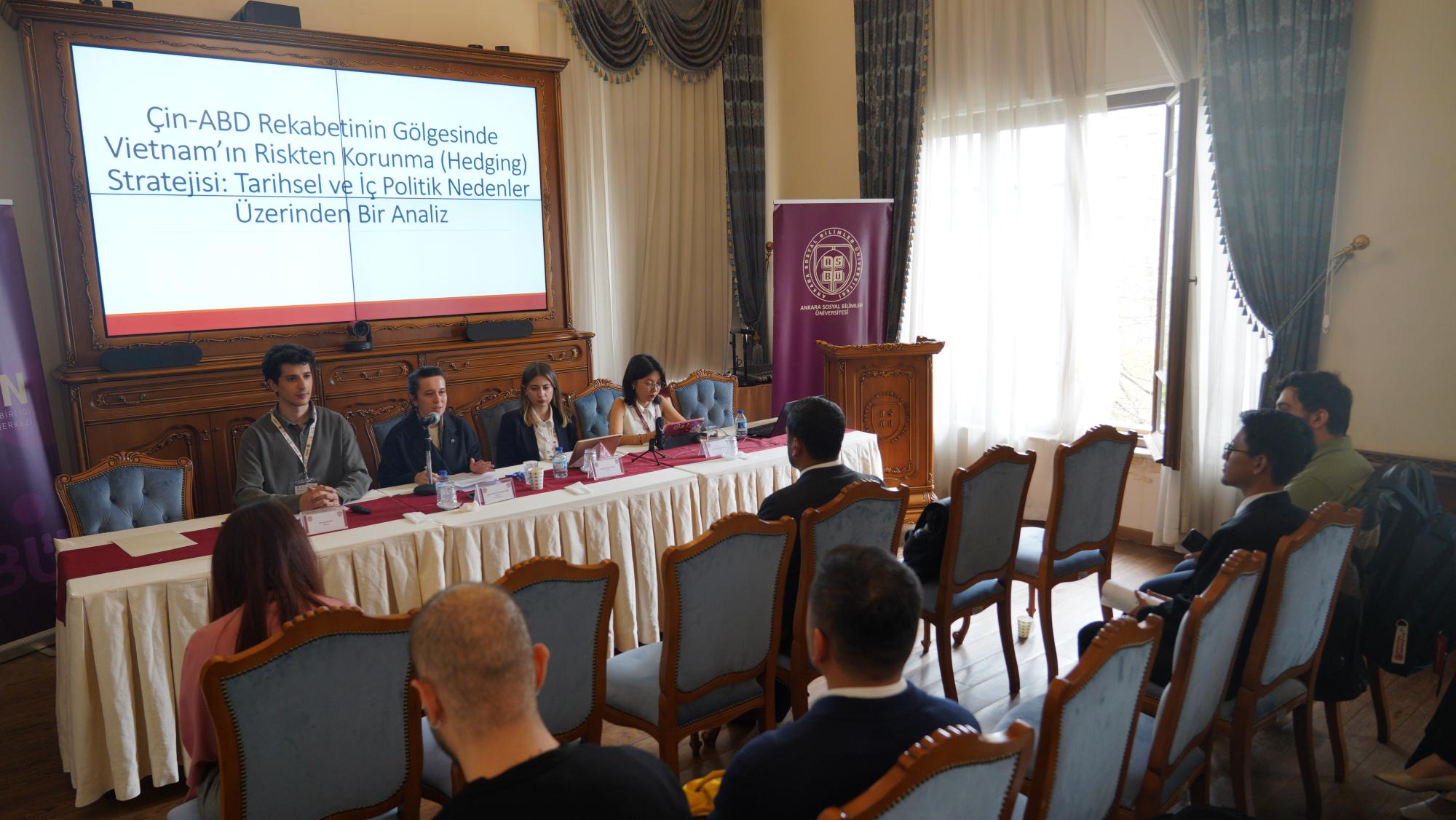
In Session C, moderated by Assoc. Prof. Dr Hatice Çelik from our university’s Department of Asian Studies, the topics of Regional Order, Strategy and Bilateral Relations were discussed. Our first speaker, Murat Aygün, a student at TOBB ETÜ, gave a presentation on “Vietnam’s Hedging Strategy in the Shadow of China-US Competition: An Analysis Based on Historical and Domestic Political Factors”. Another speaker was Kardelen Yeşilyılmaz, a student at ASBÜ. She delivered a presentation titled "ASEAN and the South China Sea in the Context of Ontological Security". Finally, Aleksandra Megumi Ogi, a student at ASBÜ, spoke about her study titled "The Importance of the Taiwan Issue from the Perspective of ASEAN Countries: Strategic, Economic and Political Dimensions".
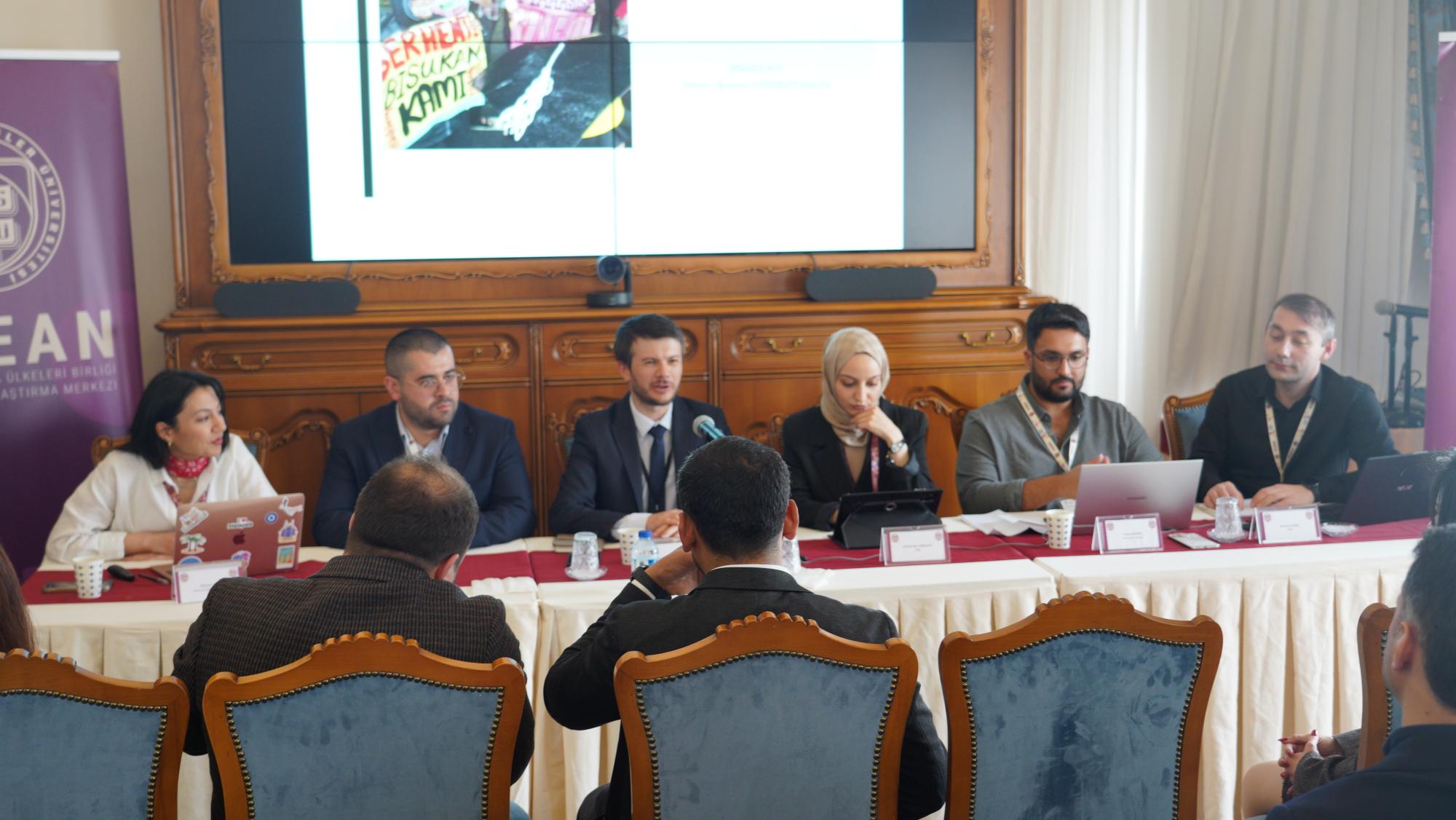
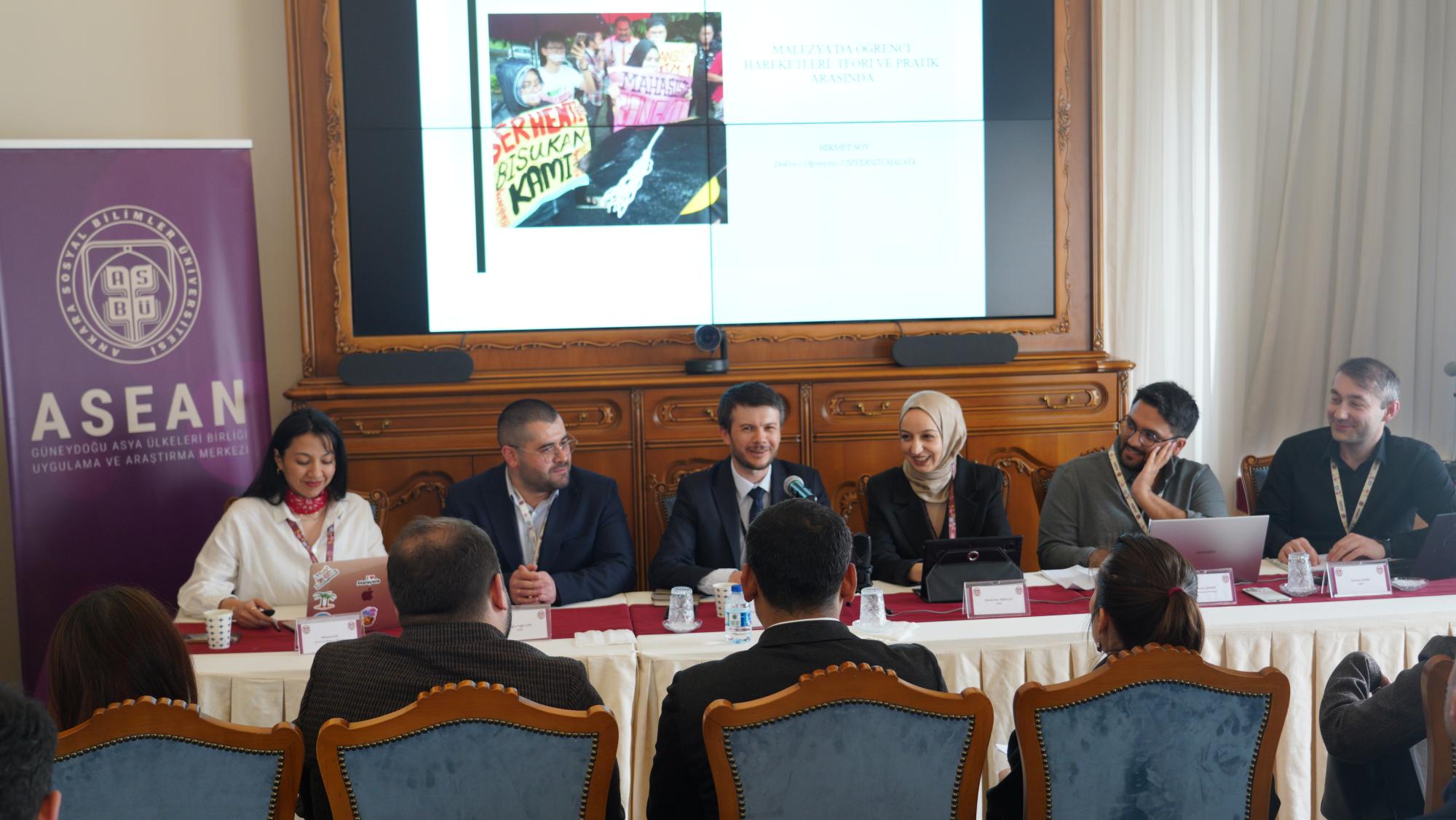
The final session of the first day, Session D, was moderated by Dr Yusuf Avcı, a lecturer in the Department of Asian Studies at our university, and focused on the topics of culture, society, media and political economy. Our first speaker, Hikmet Soy from the University of Malaya, delivered a presentation titled ‘Student Movements in Malaysia: Between Theory and Practice’. Another speaker, ASBÜ student Buğra Yağız Can, delivered a presentation titled ‘A Cultural Bulwark Against Mental Occupation: Examples from Anatolian Islam and Nahdlatul Ulama’. Another speaker, ASBÜ student Damla Nur Akbulut, delivered a presentation titled "Migration Despite Exploitation: Japan’s TITP and Southeast Asian Workers". Yunus Şimşek, a student at the University of Malaya, delivered a presentation titled "The Discursive Embedding of Capitalism in Non-Economic Spheres: The Case of Malaysia (1980–1990)". Finally, Burhan Aydın, a student at ASBÜ, concluded the first day of the conference with his presentation titled "Algorithmic Propaganda: The Reproduction of State Discourse via Platforms in Southeast Asia – The Case of the Philippines".
On the second day of the conference, participants presented their work via Zoom. Session E on the second day, moderated by Assistant Professor Tufan Kutay Boran from the Department of Asian Studies, focused on the topics of Culture, History, Identity, and Media Representation. The first presenter in the session was Septian Dwi Putra, a student at Ankara University of Music and Fine Arts, who presented his paper titled “The Place of Gamolan Pekhing in Cultural Identity within the Lampung Community of Indonesia.” Mehmet Furkan Keleş, a student at the International Islamic University of Indonesia, presented his study titled “Beyond Aceh: Rethinking Ottoman Connections in Southeast Asia through Java.” Rovshan Gulmammadov, a student at Akdeniz University, discussed his study titled “The Representation of ASEAN in Azerbaijani and Turkish Media: A Qualitative Content Analysis of News Agencies.” Finally, Besra Toktaş, a student at Bursa Technical University, concluded the first session with her presentation titled “Great Power Competition and ASEAN’s Institutional Autonomy: The Impact of Sino-American Strategic Rivalry on Regional Security Architecture.”
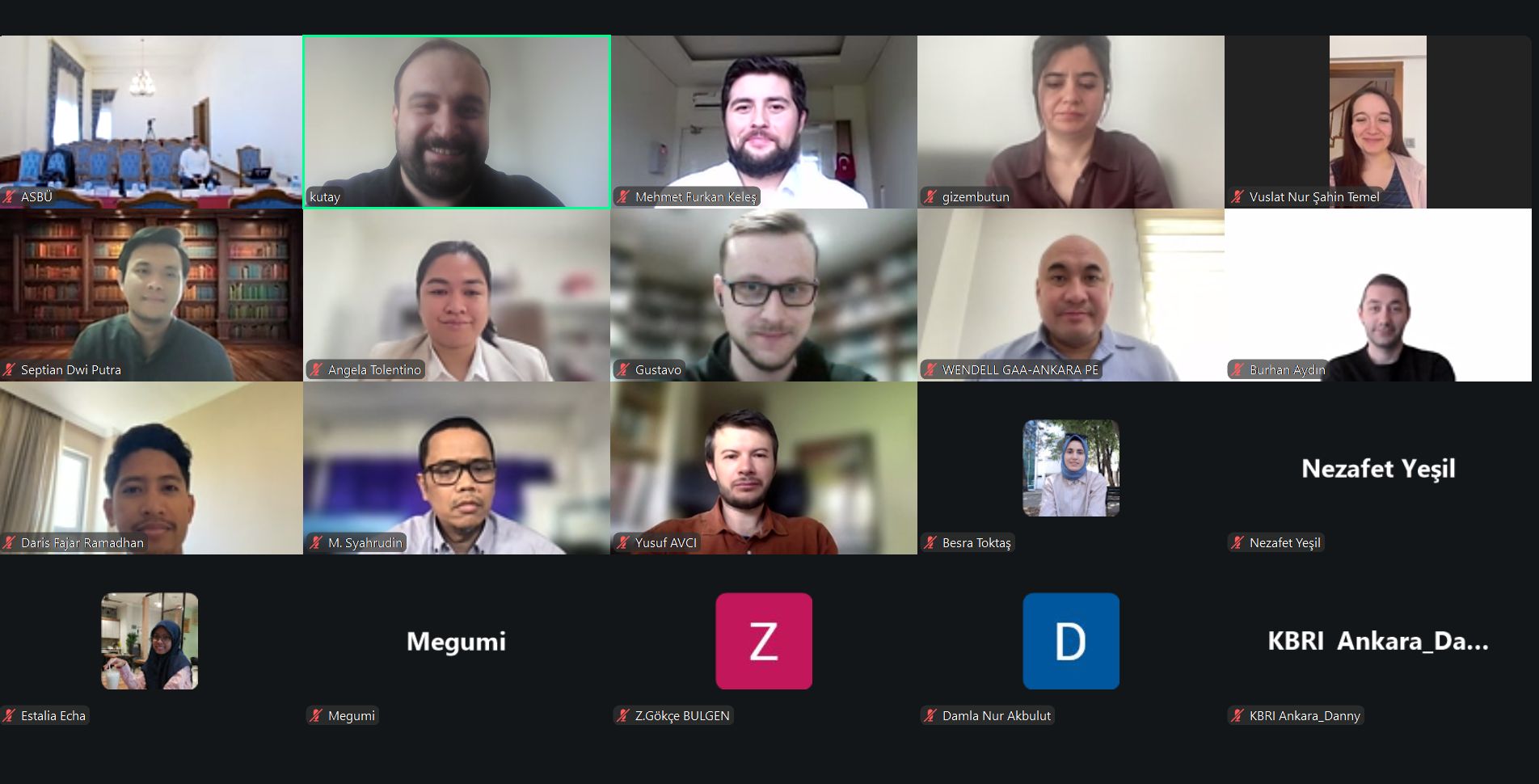
The conference’s final session, Session F, was moderated by Dr. Gizem Bütün, a faculty member in our university’s Department of Asian Studies, and focused on Security, the Digital Economy, and Governance. Simran Walia, a student at Jawaharlal Nehru University, presented her paper titled “Governance and Grand Strategy: Southeast Asia’s Responses to Indo-Pacific Security Challenges.” Berkay Bor, a student at METU, discussed his paper titled “Invisible Labor, Colonial Legacies: The Case of AI Data Labor in the Philippines.” Muhammad Syahrudin, a student at Parahyangan Catholic University, discussed his paper titled “Does Digitalization Increase Audit Risk? Evidence from ASEAN Public Companies.” The conference’s final speaker, Shabrina Herawati, a student at Airlangga University, concluded the event by presenting her paper titled “A Bibliometric Analysis of ASEAN Government Risk Management Research: Mapping Trends, Collaboration, and Intellectual Structure (2000–2025).”
This conference, which marked a first in Turkey, established an academic bridge and laid an important foundation for the future direction of Southeast Asian studies. We would like to thank all our participants and the esteemed academics who contributed to this event.